Overcoming Binge Eating through Self-Compassion with Dr. Marianne Miller

by | Apr 10, 2024

In this episode of the Power in Motion podcast, Dr. Marianne Miller discusses her journey into the field of eating disorder treatment, focusing specifically on binge eating disorder. 

In our conversation, Dr Marianne shared her personal experience with eating disorders which led her to do this work.  

We discussed the misconceptions around eating disorders and how they can often be left undiagnosed and untreated because people don’t show the stereotypical signs.  

We talked specifically about binge eating; what it is and how it’s different from overeating and what leads to binge eating. Dr Marianne shared where people often go wrong in trying to stop binging and how she successfully supports her clients and patients.

You’ll leave this episode with a greater understanding of binge eating and eating disorders in general as well as tangible next steps to take towards recovery.

Listen Here or Read the Episode Summary Below

Free mini course for women; get healthy with intuitive eating, mindful movement; body acceptance

Episode Summary

In the realm of mental health and wellness, understanding and overcoming eating disorders, particularly binge eating disorder (BED), remains a challenging journey for many. The podcast episode featuring Dr. Marianne Miller, an expert in treating eating disorders, sheds light on various facets of binge eating recovery techniques. As we navigate through the insightful conversation between Dr. Marianne and host Kim Hagle, we uncover a wealth of knowledge and guidance for those seeking recovery. 

Understanding Binge Eating Disorder

Binge Eating Disorder is characterized by episodes of consuming large amounts of food within a short period, accompanied by feelings of lack of control, shame, and guilt. Dr. Marianne emphasizes that binge eating often stems from restrictive eating patterns, underscoring the importance of addressing the root causes to break the cycle of binge eating.

The Role of Restriction

A key takeaway from the conversation is that the primary trigger for binge eating episodes is dietary restriction. Many individuals restrict their food intake during the day, either by skipping meals or consuming minimal food, only to find themselves binging at night. Dr. Marianne explains how this creates a glucose deficit in the body, making it nearly impossible to resist the urge to binge on calorically dense foods. Understanding that restriction fuels the binge eating cycle is the first step towards recovery.

Overcoming Binge Eating: Recovery Strategies

Throughout the podcast, Dr. Marianne and Kim delve into various binge eating recovery techniques that have shown promise in helping individuals regain control over their eating habits.

Comprehensive Nourishment

The all foods fit model stands out as a powerful approach to recovery. By emphasizing that no foods are off-limits, individuals learn to listen to their bodies and eat in a way that nourishes them without restrictions. This approach challenges the societal obsession with wellness and thinness and encourages a healthier relationship with food.

Cognitive and Dialectical Behavior Therapies

Dr. Marianne highlights the effectiveness of cognitive behavioral therapy (CBT) and dialectical behavior therapy (DBT) in treating binge eating disorder. These therapies focus on understanding the relationship between thoughts, emotions, and behaviors, and utilize techniques such as mindfulness and emotional regulation to address binge eating triggers.

Cultivating Self-Compassion

A significant portion of the podcast is dedicated to discussing the importance of self-compassion in the recovery process. Binge eating is often accompanied by intense feelings of shame and self-loathing. Dr. Marianne suggests engaging in compassionate self-talk, imagining how you would treat a friend in a similar situation, and focusing on nurturing the wounded parts of oneself.

Misconceptions about Eating Disorders

An enlightening part of the conversation revolves around debunking common misconceptions about eating disorders. Dr. Marianne stresses that eating disorders do not have a specific “look” and that individuals across all body types can suffer from them. Recognizing that societal and familial pressures contribute to the development of eating disorders is crucial for both prevention and recovery.

Finding Support for Binge Eating Recovery

Navigating the journey towards recovery from binge eating disorder requires the right support. Dr. Marianne advises seeking help from professionals who specialize in eating disorders. For those unable to access one-on-one therapy, she mentions alternative resources such as online programs, coaching, and support groups. However, she warns against programs that disguise restrictive diets as recovery tools, emphasizing the importance of vetting resources thoroughly.

Closing Thoughts

As our exploration of binge eating recovery techniques comes to an end, it’s clear that the path to recovery is multifaceted, requiring a holistic approach that addresses both the physical and emotional aspects of the disorder. Dr. Marianne’s insights not only offer practical advice for those struggling with binge eating but also challenge societal norms that contribute to the prevalence of eating disorders.

For individuals embarking on their recovery journey, remember that progress takes time, and setbacks are part of the process. Cultivating a sense of hope and resilience, and surrounding oneself with supportive resources, can pave the way to healing and freedom from binge eating disorder.

About our Guest

Dr. Marianne Miller discusses overcoming binge eating on The Power in Motion Podcast

Dr. Marianne Miller has been in the mental health field for 27 years and has specialized in eating disorders for the last 12 years. She was a full-time academic for 12 years and had a part-time eating disorder practice for much of that time until she left the university and went into private practice full-time in 2018. Dr. Marianne loves working with eating disorders as a therapist and a coach. She takes a non-diet, feminist approach that helps people of all genders live empowered, authentic lives. She embraces the Health at Every Size model, and is neurodivergent and LGBTQIA+ affirming.

Follow Dr. Marianne on Instagram

Follow Dr. Marianne on Facebook

Visit Dr. Marianne’s Website

About the Host

Kim Hagle - Body Image Coach - Size Inclusive Fitness Specialist - Non Diet Nutritionist

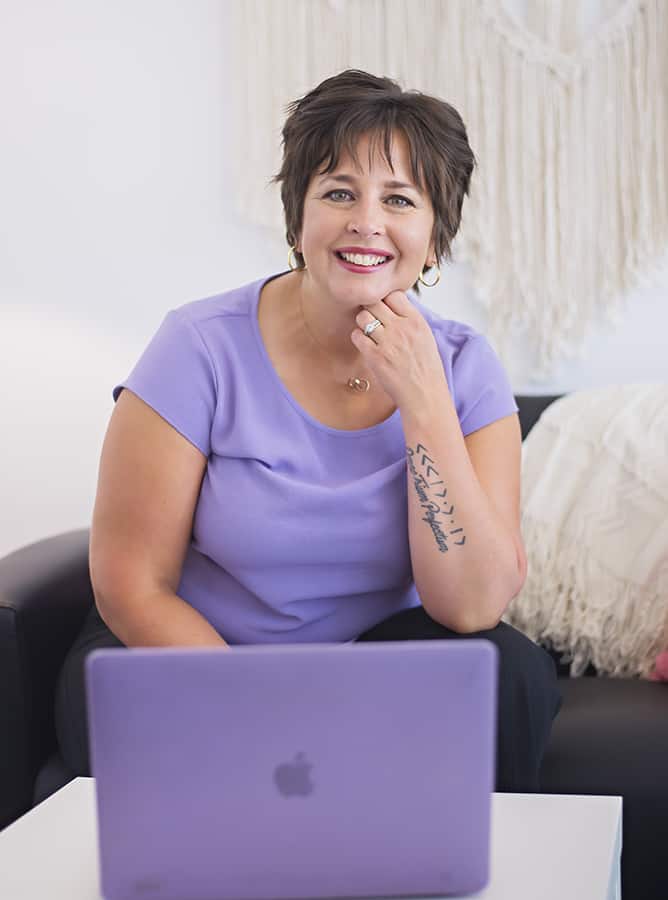
Kim Hagle (she/her)  is a Body Image Coach, Certified Personal Trainer, Registered Holistic Nutritionist, and founder of Radiant Vitality Wellness. 

Through mindset and movement coaching she helps women develop a kinder relationship with their body so they can consistently fuel and move it in a way that supports their health without restricting food, doing tortuous exercise or constantly worrying about the number on the scale.

Right Body for Me - a group coaching program for women who want to improve their body image and relationship with exercise and food
Kim Hagle - Body Image Coach - Size Inclusive Fitness Specialist - Non Diet Nutritionist

Radiant Vitality – Kim Hagle

Body Positive Personal Trainer for Women Over 40. Located in Goderich, ON and serving clients online throughout North America

Check Out Our Latest Posts

  • How To Find The Motivation To Workout: 7 Ways To Finally Stay Consistent With Exercise
    How To Find The Motivation To Workout: 7 Ways To Finally Stay Consistent With Exercise
    If you’ve been trying to figure out how to find the motivation to workout, you’re not alone; and you’re not broken. In my 15 years as a body-positive personal trainer, lack of motivation is the single most common reason people struggle to start or stay consistent with exercise. But here’s what most fitness advice gets…

  • Is Strength Training Safe If You Have Chronic Pain?

    Is Strength Training Safe If You Have Chronic Pain?

    Wondering if strength training with chronic pain is actually safe? The short answer is yes — when it’s approached in a way that works with your body instead of against it. In this article, you’ll learn how to start strength training safely when living with chronic pain, fibromyalgia, fatigue, or mobility limitations. We’ll cover beginner-friendly…

  • How to Stay Consistent with Exercise in Perimenopause (A Minimum Baseline Approach)

    How to Stay Consistent with Exercise in Perimenopause (A Minimum Baseline Approach)

    If you’re struggling to stay consistent with exercise in perimenopause, this post introduces a more sustainable approach. Learn how setting a realistic minimum baseline can help you avoid burnout, support your hormones, and build long-term strength and consistency—without all-or-nothing pressure.

Hey Gorgeous, I'm Kim (she/her)

I’m a body positive personal trainer for women over 40 who feel like “fitness misfits”.

It’s my mission to make the life changing benefits of movement available to ALL bodies, especially those who feel like they don’t “fit” in fitness spaces.

Kim Hagle - Body Positive Personal Trainer for Women over 40

Thanks for Visiting the Radiant Vitality Blog

Kim Hagle  is a body positive personal trainer, body image coach and founder of Radiant Vitality Wellness.

She offers customized personal training, in person group fitness classes, online fitness programs and body image coaching services  in Goderich, ON  and virtually across North America.

Kim holds a BScN and is an ACE certified personal trainer.  She is also a size inclusive fitness specialist, and a certified health and life coach specializing in Body Image.  You can read more about Kim here.

Follow Radiant Vitality on Social

0 Comments

Check Out Our Recent Posts

How To Find The Motivation To Workout: 7 Ways To Finally Stay Consistent With Exercise
If you’ve been trying to figure out how to find the motivation to workout, you’re not alone; and you’re not broken. In my 15 years as a body-positive personal trainer, lack of motivation is the single most common reason people struggle to start or stay consistent with exercise.

But here’s what most fitness advice gets wrong: the strategies typically used to improve exercise motivation (accountability challenges, strict programs, “no excuses” mantras) often make the problem worse.

The real issue isn’t that you don’t know how to motivate yourself to work out. It’s that the fitness industry has been pointing you in the wrong direction entirely.

In this post, I’m sharing 7 evidence-backed, body-positive strategies to help you:

Overcome lack of motivation to exercise once and for all

Build a movement habit that fits your real life

Shift from dreading workouts to actually wanting to move.

Is Strength Training Safe If You Have Chronic Pain? 6 Ways to Start Strength Training Safely When You Live with Chronic Pain

Is Strength Training Safe If You Have Chronic Pain?

Wondering if strength training with chronic pain is actually safe? The short answer is yes — when it’s approached in a way that works with your body instead of against it.
In this article, you’ll learn how to start strength training safely when living with chronic pain, fibromyalgia, fatigue, or mobility limitations. We’ll cover beginner-friendly strategies like low impact strength training, pacing, using modifications, and learning the difference between productive discomfort and pain that signals your body needs something different.
You’ll also discover why tracking workouts and symptoms can help you identify your personal “sweet spot” with movement, making it easier to exercise consistently without triggering unnecessary flare-ups.
This post is designed for fitness misfits who feel intimidated, excluded, or discouraged by traditional fitness culture and want a more compassionate, sustainable approach to exercise.
Whether you’re brand new to movement or trying to rebuild trust with your body after years of pain, this guide will help you approach strength training with more confidence, flexibility, and self-compassion — without the “no pain, no gain” mindset.

Struggling with exercise consistency in perimenopause? Learn how a minimum baseline approach can help you stay consistent, reduce burnout, and build sustainable strength.

How to Stay Consistent with Exercise in Perimenopause (A Minimum Baseline Approach)

If you’re struggling to stay consistent with exercise in perimenopause, this post introduces a more sustainable approach. Learn how setting a realistic minimum baseline can help you avoid burnout, support your hormones, and build long-term strength and consistency—without all-or-nothing pressure.

Do You Need To Get In Shape Before Hiring a Personal Trainer - 5 Honest Answers

Do You Need to Get in Shape Before Hiring a Personal Trainer?

Thinking about hiring a personal trainer but feel like you need to get in shape first? You’re not alone. In this post, we break down five key points to help you understand what personal training really is —and who it’s actually for. (Hint: it’s not just athletes or already-fit people.) You’ll learn why starting with support can make things easier, safer, and more sustainable, especially if you’re feeling out of shape or unsure where to begin. If hiring a personal trainer has been on your mind, this guide will help you take that first step with confidence.

5 Ways to Start Strength Training When You Feel Completely Out of Shape

5 Ways to Start Strength Training When You Feel Completely Out of Shape

In 5 Ways to Start Strength Training When You Feel Completely Out of Shape, you’ll learn how to begin in a way that actually feels doable. If you’re feeling overwhelmed, out of shape, or unsure where to start, this guide breaks it down into five simple, realistic steps. From starting smaller than you think to choosing movements that feel safe and supportive, you’ll build strength, confidence, and consistency without pressure or perfection. This beginner-friendly approach is especially helpful if you’re returning after a long break or managing pain, helping you create a sustainable strength training routine that fits your life.

a photo of bands and dumbbells with on screen text "Resistance bands vs weights for beginners - Which is a better place to start?"

Resistance Bands vs Weights for Beginners: Which Is Better to Start With?

If you’re new to strength training, it’s common to wonder whether you should be using resistance bands or weights. Both can help you build strength — but they don’t feel the same, especially for beginners. This post compares resistance bands vs weights for beginners, looking at joint impact, ease of use, cost, and confidence. You’ll learn the pros and cons of each option and why resistance bands are often a more supportive place to start, particularly if you want low-impact, beginner-friendly strength training you can do at home without pressure or intimidation.

A person working out with a long resistance band with support from a trainer. Text box reads "Are resistance bands good for beginners. 5 reasons why they're the perfect place to start"

Are Resistance Bands Good for Beginners? 

Resistance bands are an excellent choice for beginners who want to build strength without intimidation or high-impact workouts. They’re versatile enough for full-body strength training, affordable, and easy to use at home with minimal space. Resistance bands are also joint-friendly, making them a great option for people with chronic pain, mobility limitations, or those returning to exercise after a break. With multiple resistance levels, they allow beginners to progress at their own pace. This post explains five reasons resistance bands are good for beginners, outlines the most common types of bands, and shares how to try a beginner-friendly band workout.

Small Fitness Wins: How Tiny Steps Build Lasting Strength

Small Fitness Wins for Women Over 40: How Tiny Steps Build Lasting Strength

Lasting fitness success isn’t built through dramatic transformations or all-or-nothing effort—it’s built through small, consistent actions over time. For women over 40, especially those navigating busy lives, chronic pain, or years of frustrating fitness experiences, focusing on small fitness wins can be the key to building habits that actually stick.
This article explores how small wins—like adding one extra set, moving for five more minutes, or choosing rest when your body needs it—create meaningful progress without burnout. Instead of relying on the scale, it highlights powerful non-scale victories such as improved energy, better sleep, stronger joints, and increased confidence. These changes often show up long before visible results, yet they’re the foundation of sustainable strength and mobility.
You’ll also learn practical ways to track progress that support motivation rather than shame, and how shifting away from perfectionism can transform your relationship with movement. By celebrating what your body can do today, you build momentum that carries you forward—one small, achievable step at a time.

The Best Way to Work Out with Chronic Pain (without making it worse)

The Best Way to Work Out With Chronic Pain (Without Making It Worse)

Discover a balanced, evidence-informed way to exercise with chronic pain. This guide breaks down why movement helps, how to structure your week, and how to stay consistent without making pain worse.

Strength Training for Beginners Over 40: How to Start Without Hurting Yourself

Strength Training for Beginners Over 40: How to Start Without Hurting Yourself

Strength training after 40 can feel intimidating — especially if you’re worried about injury. This beginner-friendly guide explains how to start safely, build strength gradually, and support your body instead of pushing it too hard.