

When you live with chronic illness, the idea of exercise consistency with chronic illness can feel overwhelming. Fitness culture tells us that consistency means going hard every day, never missing a workout, and pushing past limits. But for fitness misfits—those of us living with chronic pain, fatigue, or bodies that don’t fit the mainstream mold—that message isn’t just discouraging, it’s unsustainable.
The good news? Consistency doesn’t have to mean perfection. It doesn’t even have to mean daily workouts. It simply means showing up regularly in ways that feel realistic and kind to your body. And when you embrace the mindset that everything counts, you’ll never feel like you’re “starting over” again.
The Problem with All-or-Nothing Fitness
- “Go hard or go home” is a common motto in the fitness industry.
- This creates an all-or-nothing fitness mindset where you’re either “on track” with intense daily workouts or you’ve “fallen off the wagon.”
- For many people, especially those with chronic illness, this approach quickly leads to:
- Burnout.
- Injury or flare-ups.
- Guilt and shame around movement.
👉 The truth: short bursts of activity—done consistently over time—can be just as effective (and often more sustainable) than intense plans that fizzle out.

Redefining Consistency: All or Something
Instead of “all or nothing,” think “all or something.”
- Consistency isn’t about never missing. It’s about returning.
- One skipped week doesn’t erase your progress.
- A 10-minute walk, a gentle stretch, or one set of strength exercises all count.
Example:
- Six workouts a week for one month = 24 workouts.
- Two workouts a week for a full year = over 100 workouts.
👉 Which one do you think builds more strength, stamina, and confidence?
The Science Backs “Something Is Always Better Than Nothing”
You don’t have to take my word for it—the research is clear:
- Short bursts still count. A study in the European Heart Journal found that just 15 minutes of vigorous activity per week (even in 2-minute bursts) was linked to an 18% lower risk of early death, a 40% lower risk of heart disease, and a 16% lower risk of cancer (Harvard Health).
- Mini workouts work. According to Healthline, multiple 10-minute workouts spread throughout the day are as effective as a single 30-minute session—and even showed greater reductions in blood pressure (Healthline).
- Less intensity = more consistency. Dr. Shannon Ritchey, DPT, explained in Women’s Health Magazine that shorter, less-intense workouts often lead to better long-term consistency, muscle stimulation, and less burnout compared to long, grueling sessions (Women’s Health).
- Consistency wins at any age. A meta-analysis published in the British Journal of Sports Medicine showed that consistent physical activity—at any intensity—reduces the risk of major illnesses by 30–40%, and even people who started later in life gained 20–25% more healthy years (Tom’s Guide).
Takeaway: It’s not about doing the most. It’s about finding movement you can return to regularly, even if it’s small.
The Fear of “Starting Over”
Many people feel daunted by the idea of returning to movement after a break. Why? Because traditional fitness culture has convinced us that exercise only “counts” if it’s:
- Hard.
- Intense.
- Daily.
That belief makes starting again feel like an impossible mountain to climb. But here’s the truth:
- You don’t lose all your progress if you miss a week, or even a month.
- Every time you come back, you’re building resilience and consistency.
- When you embrace the “everything counts” mentality, there’s no such thing as “starting over.”
Instead, you’re simply continuing your journey:
- A gentle yoga flow counts.
- A 5-minute walk counts.
- Stretching before bed counts.
With this mindset, movement becomes less scary and more welcoming—something you can always return to without guilt.

What “Enough” Looks Like in Real Life
For fitness misfits, “enough” isn’t about hitting the gym six days a week or following a rigid program. It’s about what’s sustainable for you.
Examples of realistic workout routines for chronic illness:
- 15 minutes of mobility exercises twice a week.
- A strength workout with dumbbells or bands 2–3 times per week.
- A 10-minute walk after dinner on most days.
- Gentle stretching on high-pain or low-energy days.
👉 Sustainable fitness habits are the ones you can keep coming back to—not the ones that leave you drained or discouraged.

Practical Tips to Embrace Consistency Without Perfection
If you’re ready to build sustainable exercise motivation, it’s best to start small. Make it super easy for you to be successful – that way you’re more likely to be motivated to continue. Try these strategies:
- Start small. A 5–10 minute session is better than nothing.
- Anchor to your day. Pair movement with existing habits (stretch after brushing your teeth, walk after lunch).
- Redefine success. Success is showing up—not crushing the hardest workout.
- Zoom out. Track progress monthly instead of obsessing over every day missed.
Final Thoughts
Consistency with exercise doesn’t mean being perfect, going all in, or never missing a day. For those living with chronic illness, fitness looks different—and that’s okay. By embracing the idea that everything counts, you’ll free yourself from the fear of “starting over” and create a more sustainable, compassionate relationship with movement.
Ready to Build Consistency in a Supportive Way?
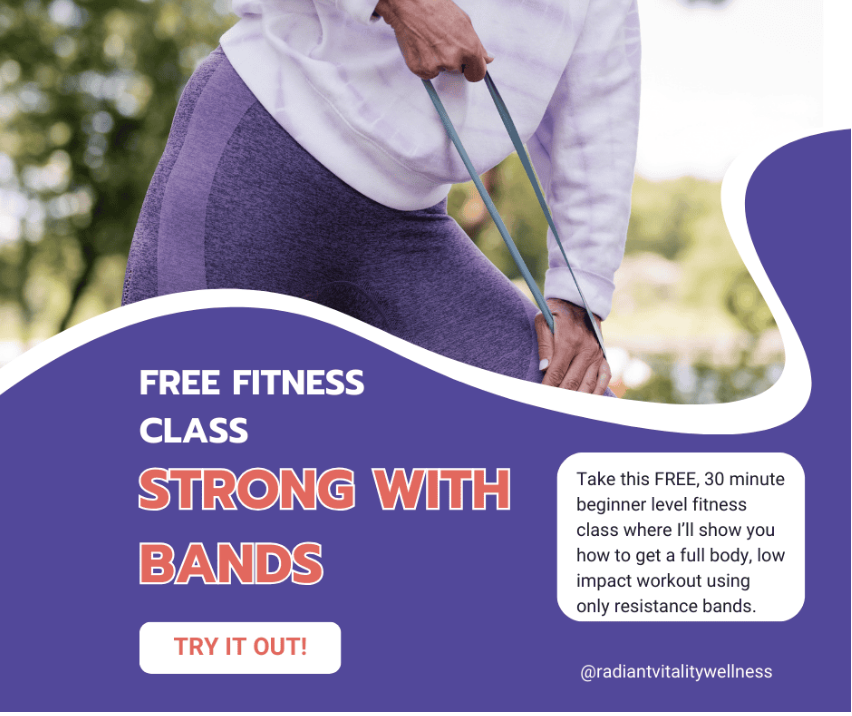
If you’re tired of all-or-nothing fitness culture and want a program designed with fitness misfits in mind, check out my 4-week Begin with Bands program.
It’s:
- Just 20–30 minutes per session.
- Designed for all bodies, abilities, and energy levels.
- A sustainable way to start (or re-start) strength training with simple, effective band workouts.
👉 Click here to learn more and get started today.


Radiant Vitality – Kim Hagle
Body Positive Personal Trainer for Women Over 40. Located in Goderich, ON and serving clients online throughout North America
Check Out Our Latest Posts
-

Body Positive Fitness: A Guide for Women Who’ve Been Burned by Fitness Culture
Body positivity in fitness isn’t a trend, a marketing buzzword, or a softer way of selling you the same old fitness culture nonsense. It’s a completely different way of thinking about movement — one where your body doesn’t have to earn the right to exist in a gym, in workout clothes, or in a class…
-

I’m Scared to Go to the Gym Because of My Size
If you’ve ever typed “I’m scared to go to the gym because of my size” into a search bar at midnight, this post is for you. I’m not going to tell you to push past your fear or give you a pep talk about confidence. I’m going to tell you something the fitness industry has…
-

How to Be Consistent with Exercise (Without Burning Out or Starting Over)
If you’ve been trying to figure out how to be consistent with exercise, and feeling like you’re the only one who can’t seem to make it work, this is for you. Not because you need more motivation or a stricter plan. But because after 15 years as a personal trainer, I can tell you with…


0 Comments